
What Actually Stops People From Getting Promoted
The difference between absorbing chaos and removing it — why smart, hardworking engineers stay stuck while others move up. It's not about doing more, it's about thinking differently.

I'm Brian, an Engineering Leader & AI Systems Architect based in Austin, Texas. I specialize in transformation — rebuilding systems, cultures, processes, and assumptions that slow companies down. Over 17 years I've built and scaled a multi-product SaaS ecosystem serving over 500K monthly active users, leveraging AI automation and scalable platforms to drive revenue growth.
Chat with my AI assistant about my engineering leadership experience, technical architecture decisions, or transformation projects. Get instant insights about building scalable platforms and driving organizational change.
Key domains where I help organizations achieve breakthrough results
Graph neural networks, RAG systems, LLM integration, and AI-driven automation
Real-time data pipelines, microservices architecture, and cloud-native ETL
Scalable SaaS platforms, distributed systems, and infrastructure automation
Programmatic SEO, content automation, and revenue optimization strategies
Building ownership-driven teams and data-led organizational systems
Engineering leadership, system architecture, and strategic technical vision
The difference between absorbing chaos and removing it — why smart, hardworking engineers stay stuck while others move up. It's not about doing more, it's about thinking differently.

I used to think leadership meant stepping away from code. I was wrong. The best technical leaders stay hands-on — not because they have to, but because credibility, technical judgment, and problem-solving require it.
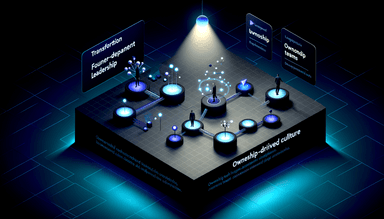
How I transformed Advision from a company where everyone waited for my decisions to one where leaders owned their domains and drove results. The systematic approach to hiring for ownership, building accountability systems, and creating a culture of strategic thinking.
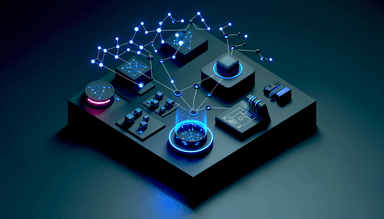
How I built a sophisticated prediction model that captures the complex relationships in NFL play-calling using Graph Neural Networks, multi-task learning, and quantile regression. The architectural decisions that made predicting football actually work.
